In the world of investing, we often hear about the global economy as if it’s a single, unified thing. You might hear headlines that the “global economy is slowing” or “global growth is picking up.”
But if you’ve been paying attention lately, you’ll notice something a little different. It’s less like a single engine and more like a fleet of ships, all moving at different speeds. This is what financial experts mean by a “divergent global economy.”
Don’t worry, we’ll break down this seemingly complicated idea into something you can easily understand. And more importantly, we’ll talk about what this means for you, a Malaysian investor with a solid plan for the future.
What in the World is a ‘Divergent Global Economy’?
Imagine a group of friends going for a hike. Some of them are sprinting ahead, full of energy. Others are taking a slower, more cautious pace. That’s what’s happening in the world right now, but with countries instead of people.
A divergent economy simply means that different regions of the world are growing and performing at different rates. For a while, the major economies all seemed to move together, in sync. Now, we’re seeing a big split:
- US Economy: Has shown surprising strength and resilience, with robust consumer spending and a strong job market. This has kept inflation from falling as quickly as some would like, leading central banks to maintain a cautious stance.
- UK & Europe: Facing challenges with slower growth and persistent inflation, creating a complex environment for balancing economic support and inflation control.
- China: Grappling with issues in its property market and cautious consumer spending, where recovery pace remains a key global focus.
- India: A standout performer with a rapidly growing economy fueled by strong domestic demand, a young population, and major infrastructure projects.
- Russia: Trajectory largely shaped by geopolitical events, international sanctions, and commodity prices (oil and gas).
- Malaysia & Southeast Asia: Navigating these global currents as trading nations whose growth is directly influenced by demand from major economic powerhouses.
This divergence is a normal part of the economic cycle, but it’s something every conscious investor should understand.
What This Means for You, the Malaysian Investor
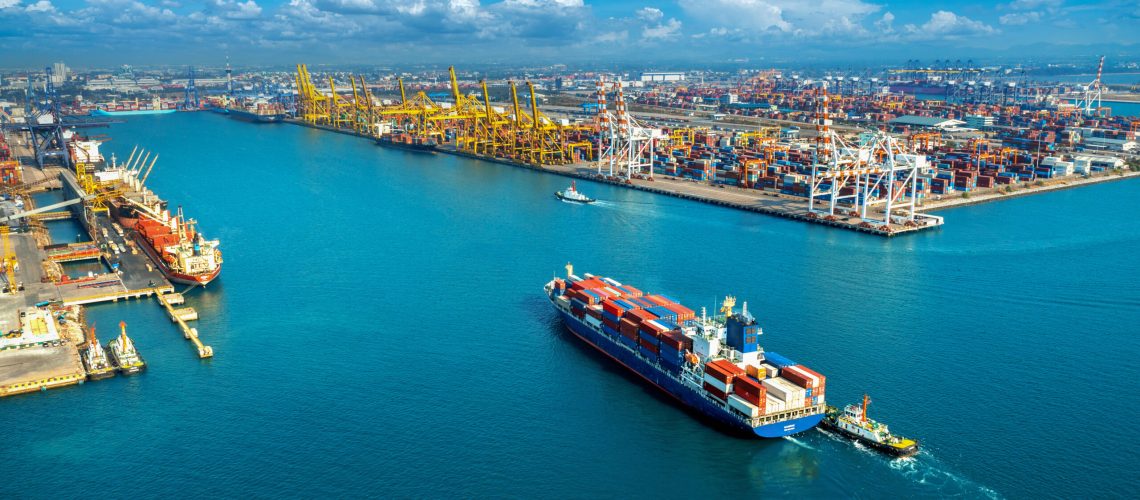
Why should you care about what’s happening in America, Europe, or India? Because in today’s connected world, our economy is like a ship in a global sea. What happens far away still creates waves that reach our shores.
Malaysia, being a trading nation, is particularly sensitive to these global currents:
- Your Ringgit (MYR) is in the spotlight: When economies like the US perform strongly, the US Dollar often strengthens. This can put pressure on the Ringgit, affecting foreign travel and import costs.
- Impact on local companies: Many Malaysian companies rely on exports. If trading partners face slowdowns, it affects local profitability and stock values.
- The temptation to chase ‘hot’ markets: Seeing roaring markets overseas often triggers FOMO (Fear of Missing Out), tempting investors to jump into foreign markets without a strategy.
💡 Key Takeaway: Trying to chase the latest short-term global trend is one of the most common—and expensive—mistakes an investor can make.
Your Action Plan for a Divergent World
So, if the world is moving in different directions, how do you stay calm and on track? The answer lies in a simple, but powerful strategy that has served seasoned investors for decades:
- Embrace Diversification: Don’t put all your eggs in one basket. Support our local Malaysian economy, but ensure you also have a slice of the global pie through globally diversified unit trusts or mutual funds. A downturn in one region is often offset by strength in another.
- Focus on the Long-Term Game: A divergent economy is a short-term phenomenon; your financial plan is not. Whether you’re investing for retirement, education, or generational wealth, short-term global fluctuations are just noise on a multi-decade upward trajectory.
- Invest Consistently (Dollar-Cost Averaging): Commit to investing a fixed amount regularly. When markets dip, your fixed contribution buys more units; when markets rise, you capture the gain. This removes the stress of trying to time global markets.
- Re-evaluate, Don’t React: Schedule a calm portfolio review once or twice a year to ensure your asset allocation aligns with your goals, rather than reacting in panic to daily news headlines.
Stay Disciplined, Stay Empowered
By understanding that a divergent global economy is simply different countries moving at different speeds, you can stop feeling anxious and start feeling empowered. Your focus shifts from trying to guess what happens next to staying disciplined with your plan.
In a world full of noise and uncertainty, your long-term plan is your greatest asset.